
5 Quartz Options with Consistent Veining That Make the Details Truly Work
For Designers Who Value Textural Depth
Design is rarely complete at the surface.
When stone is cut, edged, and turned at corners,
whether the veining continues naturally
often determines—quietly and unseen—
the maturity of the final result.
For designers who pursue true textural depth,
choosing quartz is never just about the front-facing view.
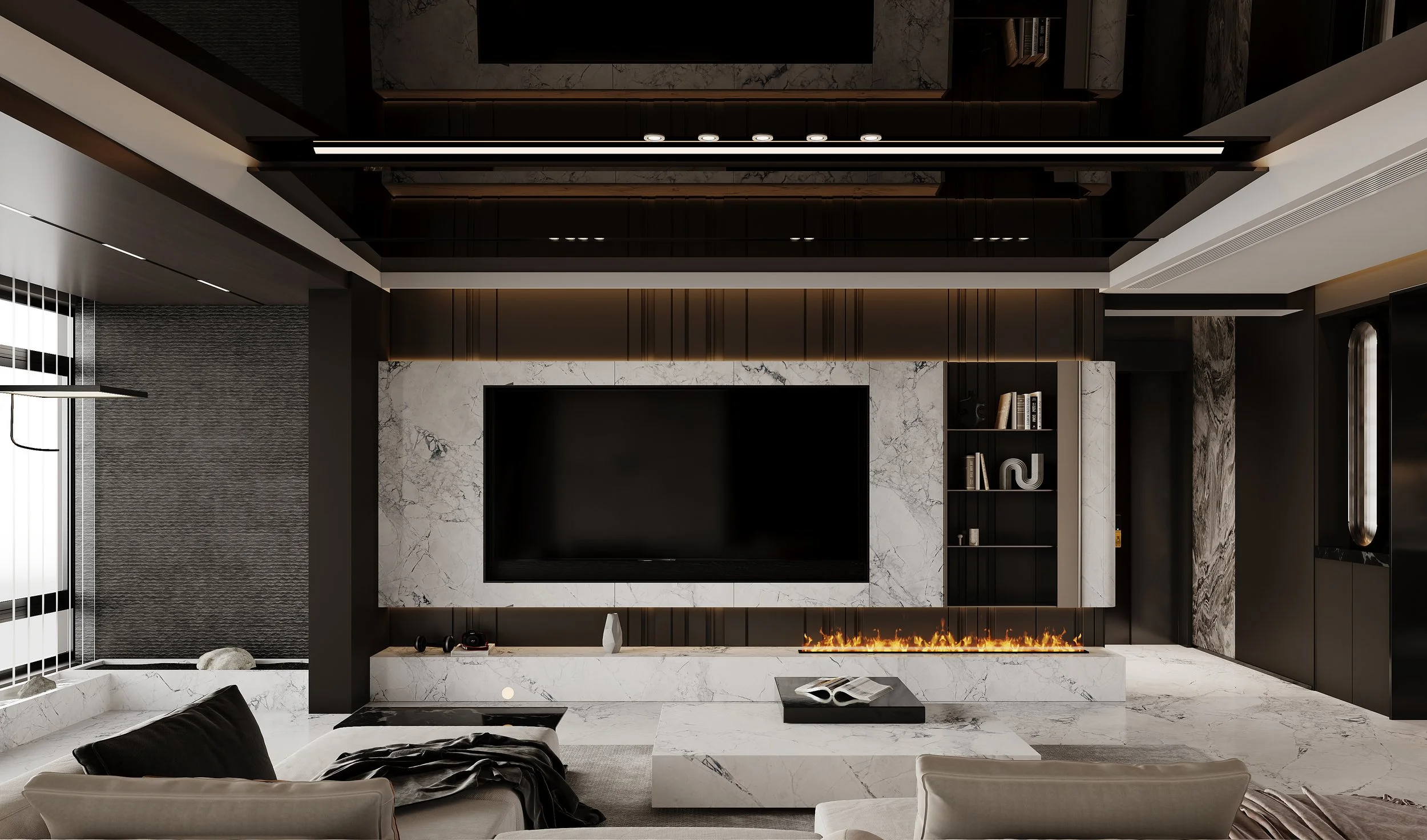
ET6008-Super White
1. Cloud-like flowing veining, allowing large surfaces to extend naturally.
The veining of this type of quartz surface feels less like decoration and more like a quiet rhythm.
With a cloud-like, flowing movement, the pattern maintains visual continuity across countertops, vertical surfaces, and long-span applications, remaining cohesive rather than fragmented even after cutting.
Design Observation
Consistent veining direction
Stable visual performance across large surfaces
Well suited for primary focal spaces
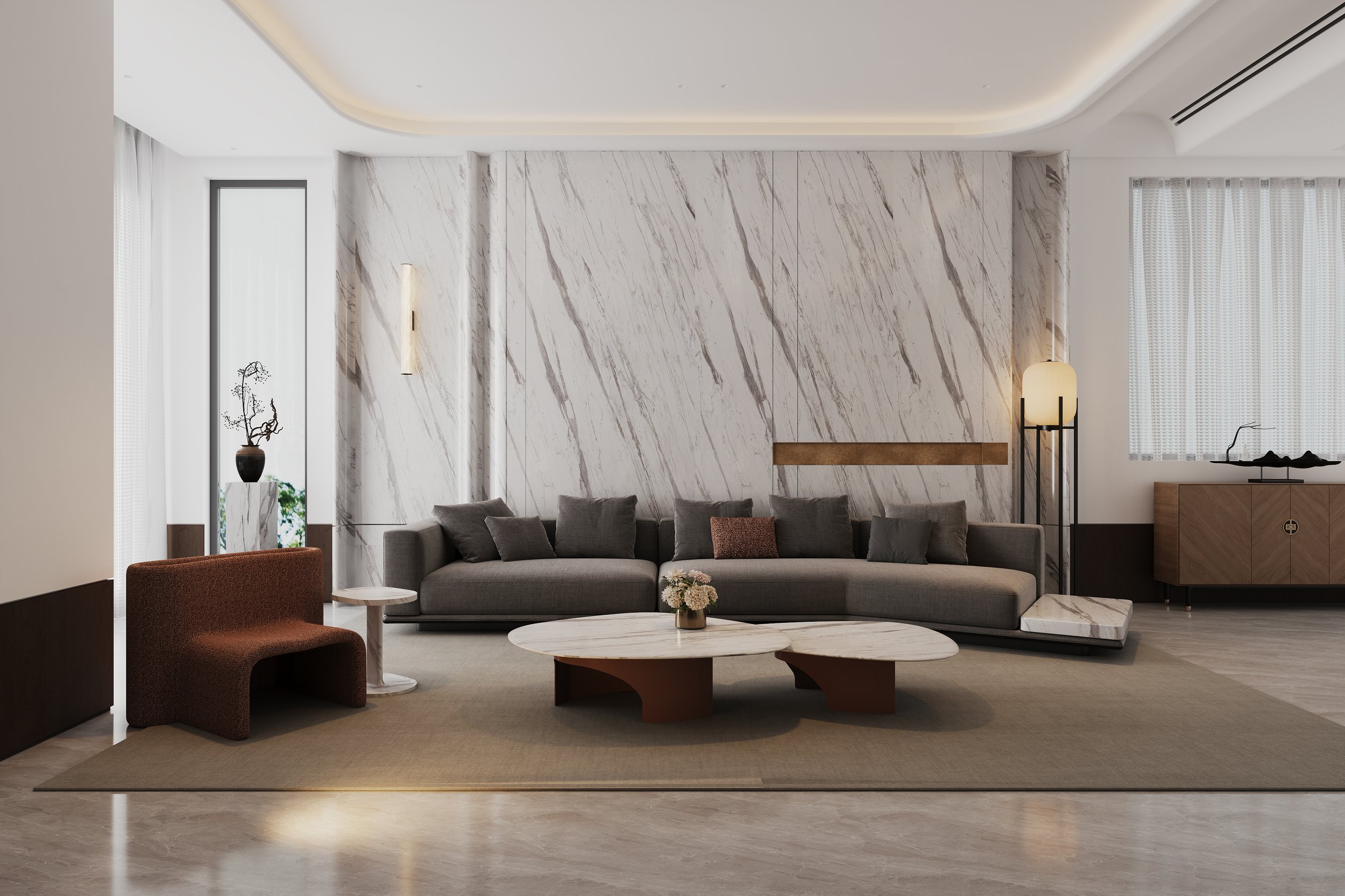
ET-6027 Celestine Vein
2. Low-Contrast Mineral Layering, Expressing a Refined Depth of Veining
Textural depth doesn’t have to come from strong contrast.
Through subtle tonal shifts and layered detailing,
this type of quartz reveals different expressions at close range and from a distance,
making the space more enduring to look at over time.
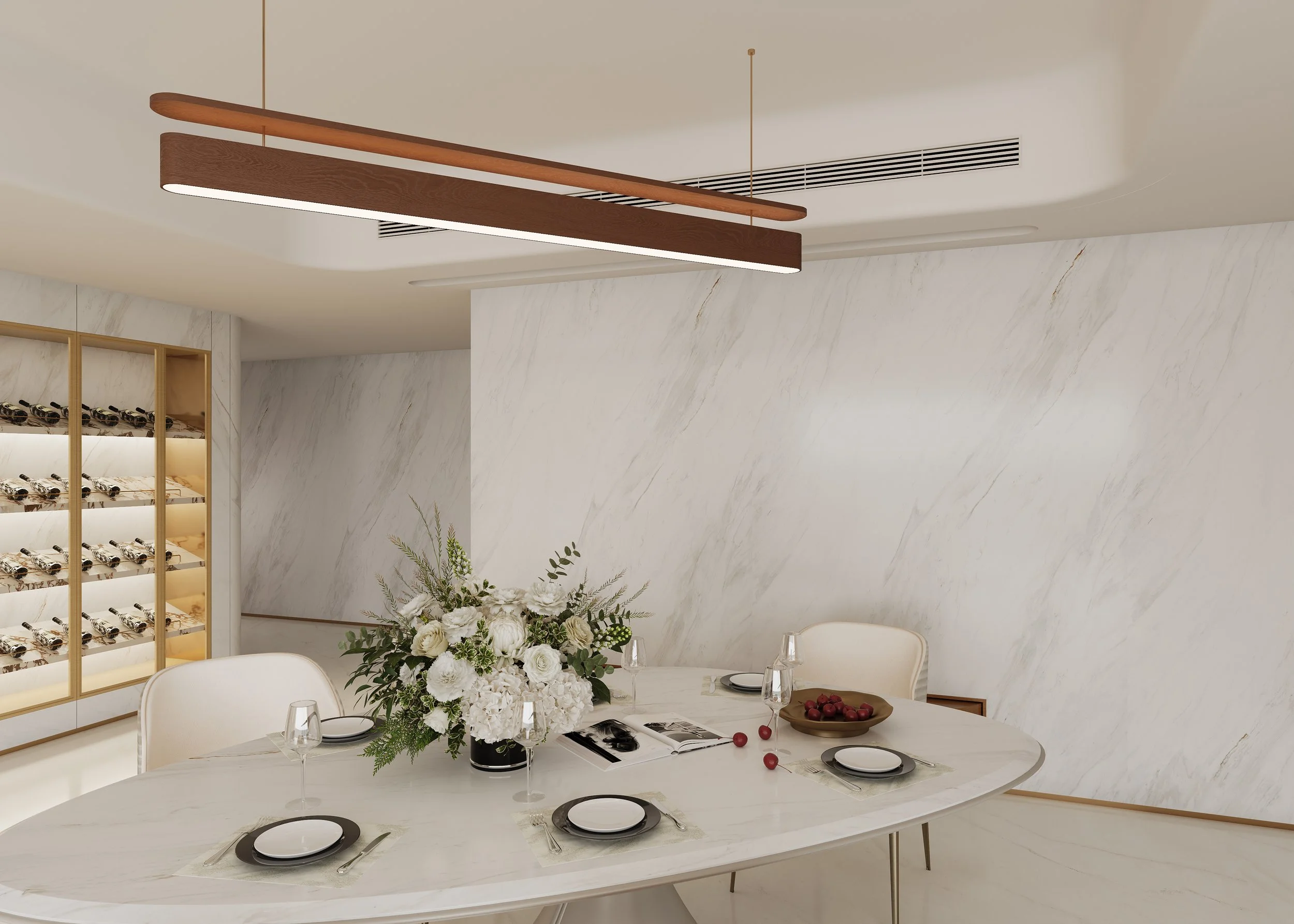
ET-6011 Volakas
Design Observation
Subtle, understated layering
Free from an overly manufactured feel
Well suited for spaces where people spend extended time
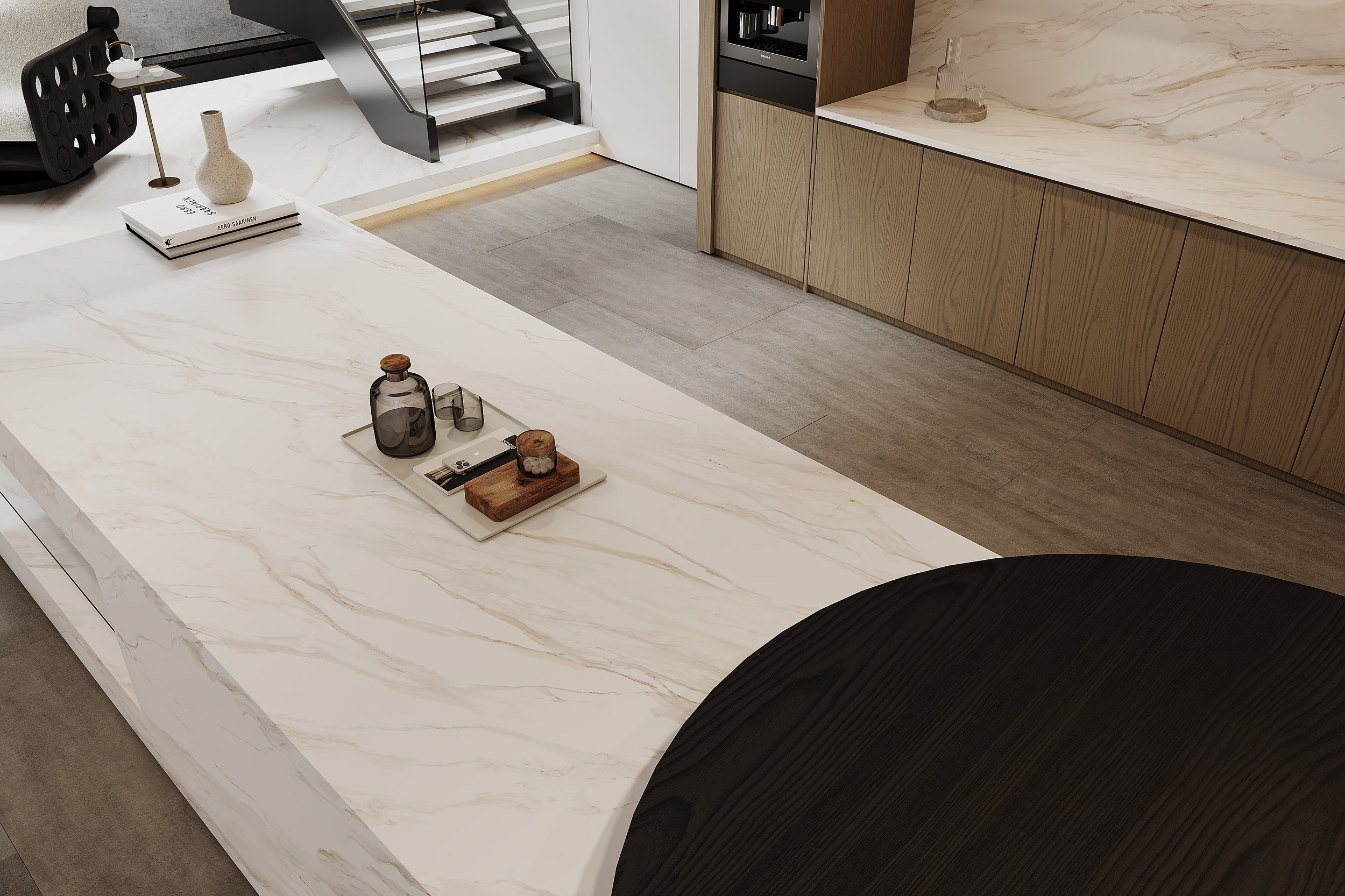
ET-6015 Calacatta Gold
3. Fine-Line Continuous Veining, Allowing Corners to Remain Seamless
Design completeness often lies in the corners.
With fine-line veining, quartz can maintain visual continuity through edge detailing and variations in thickness, allowing edges to blend naturally into the overall design.
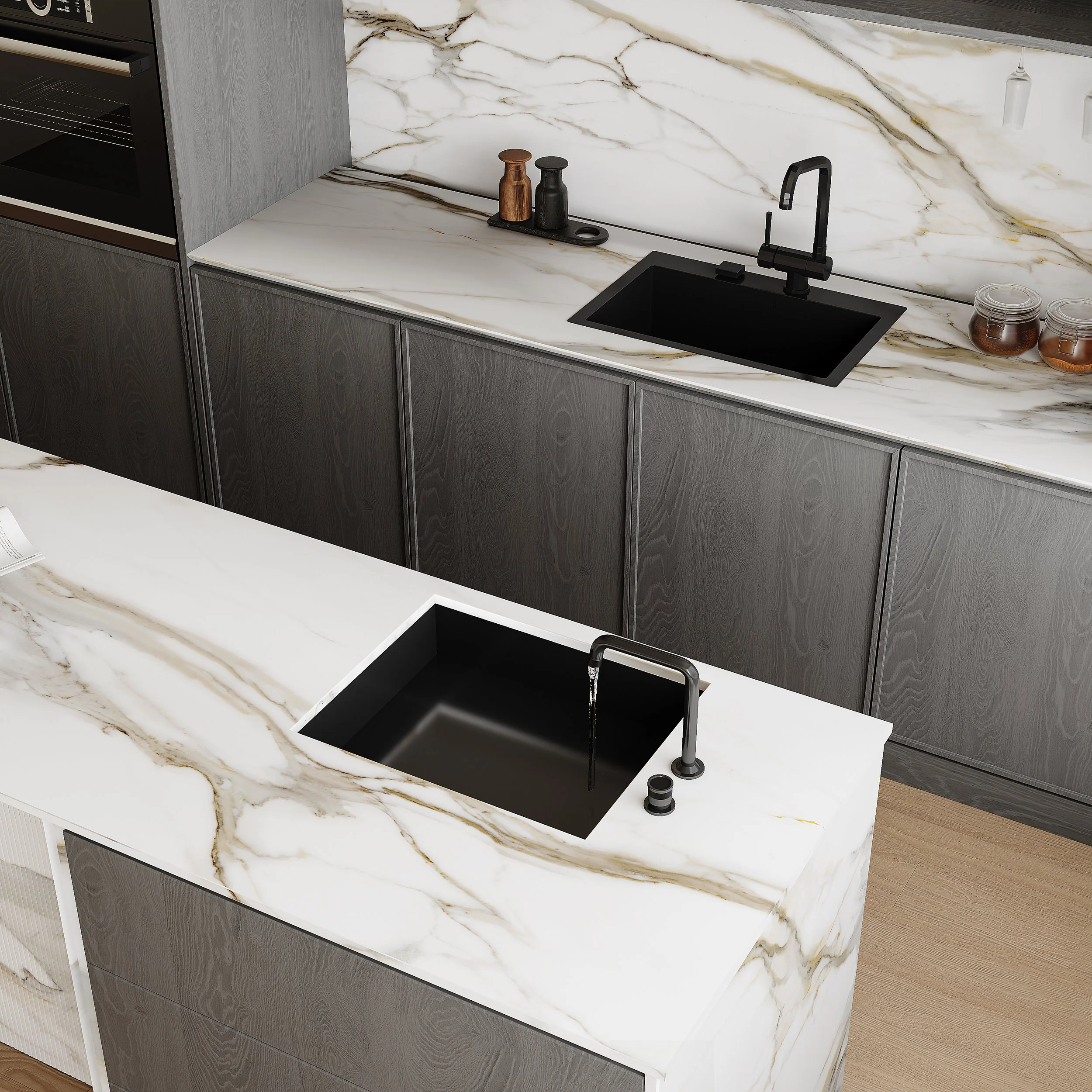
ET-6014 Calacatta Borghini
Design Observation
Remains visually cohesive after edge finishing
Veining continues without interruption
A high level of detail consistency
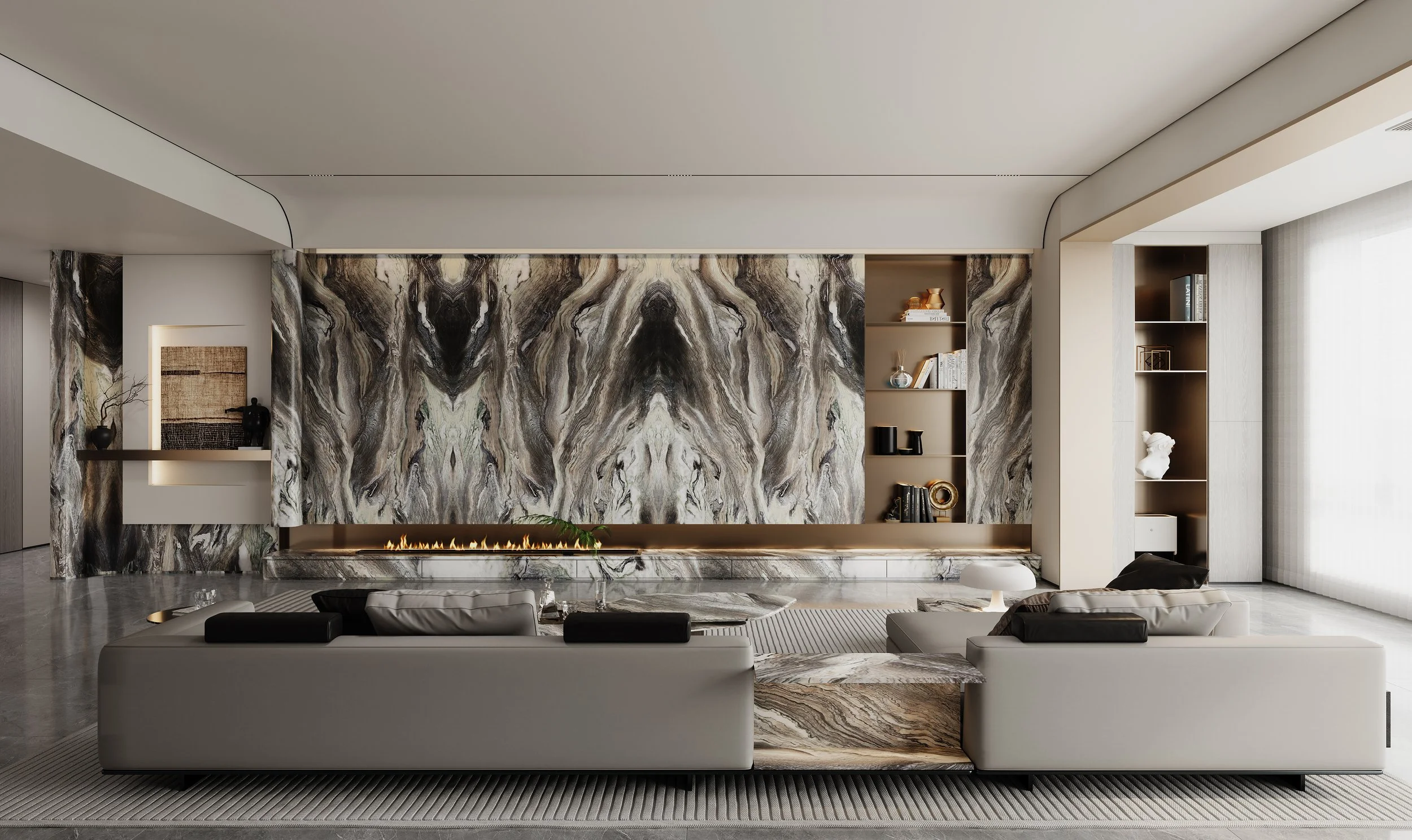
ET-6023 Van Gogh
4. Layered Mineral Speckling, Giving the Material a Grounded Presence
Fine mineral speckles prevent the surface from feeling flat or empty.
When texture density remains consistent across different cuts, countertops, vertical surfaces, and corners all convey a stable sense of material weight—making this type of quartz especially suitable for public and commercial spaces.
Design Observation
Evenly distributed texture
Visually stable and balanced
A natural, grounded material presence
5. Soft Gradient Veining, Allowing the Material to Breathe
A mature gradient design should never exist only on the surface.
When tonal transitions move naturally through the body of the stone,
the material maintains a soft, consistent expression across different thicknesses and lighting conditions,
allowing the space to gradually settle into itself.
Design Observation
Natural tonal transitions
Never abrupt
A softer and more atmospheric sense of space
If you’re planning a renovation or would like to learn more about quartz applications, we invite you to visit the Saiens showroom to experience the texture and patterns of ETERNOS in person.
Reserve your visit →
Questions
Q1: What qualifies quartz as having truly consistent veining?
A1: When the veining continues naturally across cuts, edges, and different thicknesses—rather than existing only as a surface pattern.
Q2: Does veining consistency really affect the overall quality of a design?
A2: Yes. How natural the corners and edges appear often determines whether the final result feels refined and complete.
Q3: Which design styles are best suited to this type of quartz?
A3: It’s especially well suited to minimalist and modern styles, as well as residential and commercial spaces that emphasize material detail.
Q4: Will quartz with deeper veining look too bold?
A4: Not necessarily. Low-contrast, layered designs are often more visually enduring.
Q5: What do designers most often overlook when selecting quartz?
A5: The visual performance of edges and corners after actual cutting and fabrication.
